
Understanding Emergency HVAC Repair
An unexpected HVAC breakdown can happen at the worst possible times—during a heatwave, bitter cold snap, or in a busy office. Emergency HVAC repair addresses critical heating or cooling issues that can impact comfort, safety, and energy efficiency.
Knowing what constitutes an HVAC emergency is essential. Some urgent situations include:
- Air conditioner not cooling during extreme heat
- Furnace failing to heat during cold weather
- Strange noises from the system, like banging, grinding, or whistling
- Water leaks around the HVAC system or frozen evaporator coils
- Electrical issues causing system shutdown
Recognizing these signs quickly and understanding how to respond can prevent further damage, reduce repair costs, and maintain a safe indoor environment.
Common Causes of Emergency HVAC Problems
Several factors can trigger emergency HVAC situations:
- Dirty or clogged air filters – Blocked airflow causes strain on the system, overheating, and inefficient operation.
- Refrigerant leaks – Low refrigerant levels prevent cooling and can damage AC compressors.
- Faulty thermostats – Misreading or malfunctioning thermostats can prevent proper temperature regulation.
- Electrical failures – Problems with wiring, fuses, or circuit breakers can cause the system to shut down entirely.
- Component wear and tear – Aging compressors, motors, or blower fans can fail suddenly.
- Blocked or leaking ductwork – Reduces airflow and can create uneven temperatures.
Understanding these common causes helps homeowners troubleshoot safely and communicate the problem accurately when a technician arrives.
How to Respond to an HVAC Emergency
When faced with an HVAC emergency, quick action can minimize damage and restore comfort. Here are practical steps:
- Turn Off the System – Prevent further strain or electrical damage.
- Check Simple Fixes – Replace dirty filters, ensure vents are open, and verify thermostat settings.
- Inspect for Visible Issues – Look for leaking water, ice buildup, or unusual noises.
- Document Symptoms – Note what’s happening and when, which helps the technician diagnose the problem faster.
- Contact a Professional – Systems like AC units, furnaces, or heat pumps contain complex electrical and mechanical components that require trained repair.
While small issues can sometimes be resolved at home, emergency HVAC repair is safest and most effective when performed by certified technicians.
Preventing HVAC Emergencies
Proactive care can reduce the frequency of unexpected HVAC failures:
- Schedule routine HVAC maintenance and furnace or AC inspections
- Replace or clean air filters regularly
- Ensure vents and ductwork are unobstructed and clean
- Test and calibrate thermostats periodically
- Listen for unusual system noises or signs of decreased performance
These steps not only prevent emergencies but also improve efficiency and extend the lifespan of your system.
Common Emergency Repairs and Solutions
Some of the most frequent emergency HVAC repairs include:
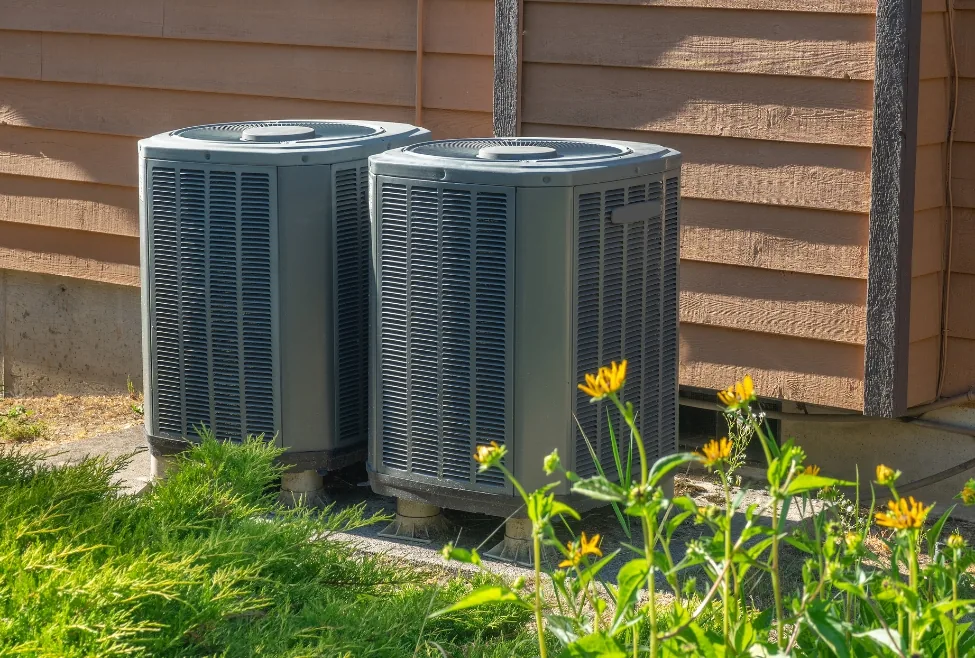
- AC repair for systems not cooling or freezing up
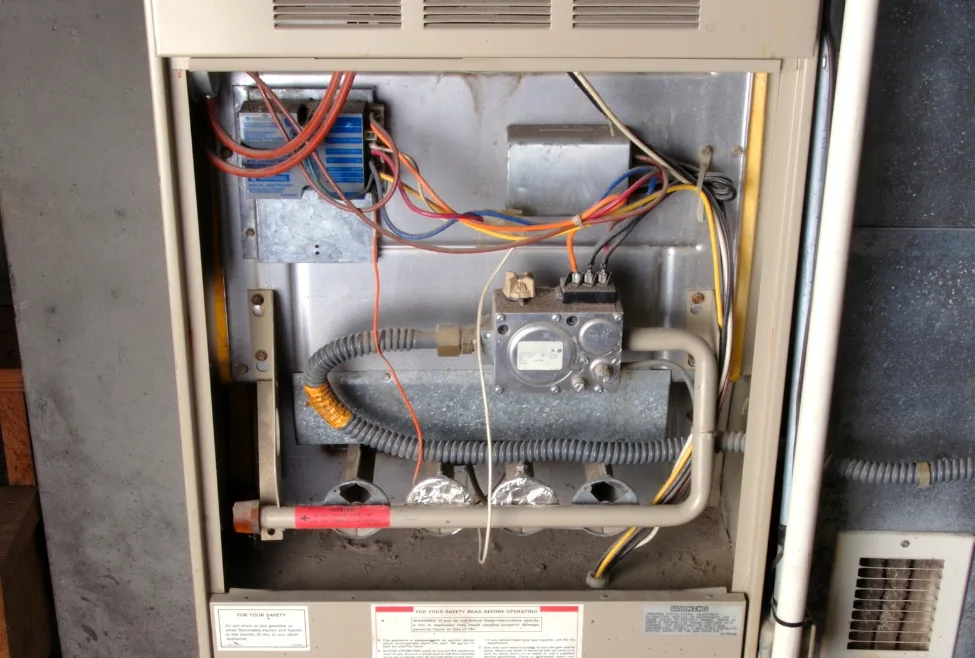
- Furnace repair for systems shutting off mid-cycle or producing uneven heat
- Blower motor replacement to restore proper airflow
- Compressor repair or replacement for air conditioners
- Thermostat repair or recalibration for accurate temperature control
- Ductwork inspection and repair for airflow optimization
Understanding what might be involved helps homeowners stay informed and prepared for potential costs.
Captain Cool Heating & Air provides fast and reliable emergency HVAC repair and ongoing HVAC solutions in Chicago, Aurora, Naperville, Joliet, Elgin, and Bolingbrook, IL. Our technicians specialize in air conditioning repair, furnace repair, heat pump maintenance, ductless mini-split systems, and indoor air quality solutions, ensuring that homes and businesses stay safe and comfortable year-round.
Call Captain Cool Heating & Air for Emergency HVAC Repair
Emergency HVAC repair is about recognizing urgent issues, taking immediate safety steps, and calling trained professionals. Common causes like dirty filters, refrigerant leaks, thermostat failures, or worn components can escalate quickly if ignored. Preventive maintenance, careful monitoring, and prompt professional service help avoid costly downtime and protect your home or business.
If your AC, furnace, or heat pump fails unexpectedly, Captain Cool Heating & Air offers expert emergency HVAC repair, troubleshooting, and preventive guidance to restore comfort and efficiency quickly and safely.
FAQs
What counts as an HVAC emergency?
An HVAC emergency occurs when your heating or cooling system fails in a way that affects comfort, safety, or energy efficiency. Common examples include: air conditioners not cooling during a heatwave, furnaces shutting off mid-cycle in freezing temperatures, electrical malfunctions, water leaks from the system, frozen coils, or strange noises like banging or grinding. Any situation that leaves your home too hot, too cold, or at risk of damage qualifies as urgent.
How much does an emergency HVAC call cost?
The cost of emergency HVAC repair varies depending on the issue and the time of the call. Simple fixes like replacing air filters or recalibrating a thermostat may be lower in cost, while complex repairs—such as compressor replacement, furnace repair, or electrical troubleshooting—can be higher. Most HVAC companies provide upfront estimates and explain parts and labor costs before starting repairs.
Is a leaking HVAC an emergency?
Yes, a leaking HVAC system can be an emergency, especially if it involves water near electrical components or causes structural damage. Leaks may result from clogged condensate drains, refrigerant issues, or damaged ductwork. Prompt action is essential to prevent system damage, mold growth, and reduced heating or cooling efficiency.
What if I can’t afford to replace my HVAC?
If replacing your HVAC system isn’t financially feasible, there are often alternatives to maintain comfort and safety:
- Schedule targeted emergency HVAC repair to fix critical issues
- Perform preventive HVAC maintenance to extend the system’s lifespan
- Consider financing options, energy-efficient upgrades, or partial repairs to spread out costs
Temporary solutions can help your system function safely until a full replacement is possible.
Is no heat in the house an emergency?
Absolutely. No heat in the house during cold weather is an HVAC emergency, as it can create unsafe living conditions. Common causes include furnace malfunctions, thermostat failures, or electrical issues. Immediate professional repair ensures safety, prevents frozen pipes, and restores consistent heating throughout your home.
For fast and reliable solutions to urgent HVAC problems, Captain Cool Heating & Air provides expert emergency HVAC repair, troubleshooting, and maintenance to keep your home or business safe and comfortable. Contact us today!